FY 23/24_2nd Report

STRATEGIC REPORT

Myanmar farmers are already experiencing the consequences of climate change, and we understand it represents some risks and business opportunities as well. We are, therefore, working to develop new solutions based on a more circular economy, such as organic fertilisers, and are looking to invest in reducing our energy costs.

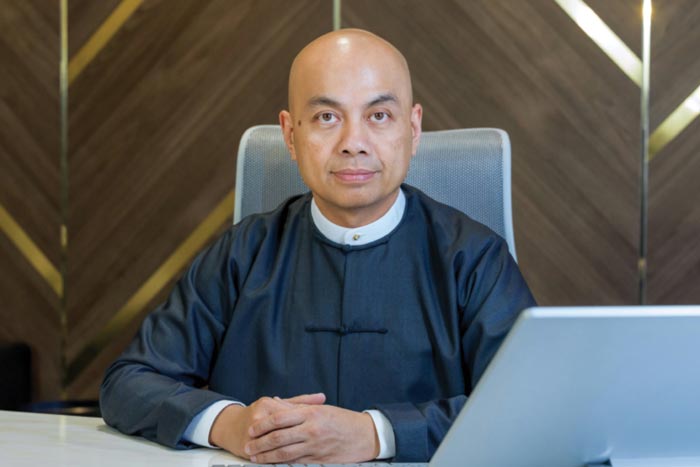
Leadership statement

Dear readers,

Myanma Awba Group will celebrate its 30th anniversary in April 2025. When we started building in 1995 what would become Myanma Awba Group, we were mostly driven by a simple purpose: enabling better farming practices that would benefit farmers and communities all across the country. Our contribution relied on two key components: fostering access to better products and solutions, and ensuring that Myanmar farmers could obtain seamless access to knowledge and expertise.

Better Agricultural Practices

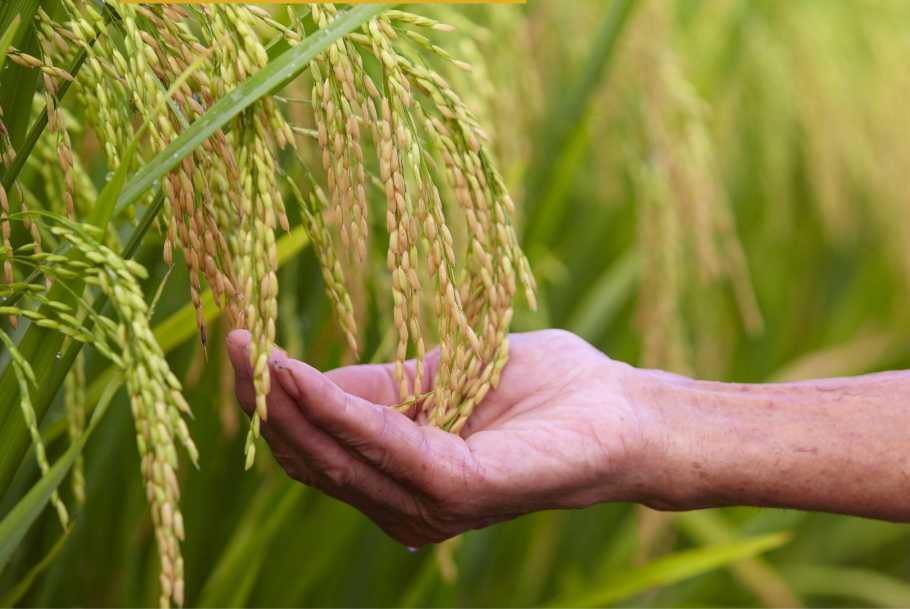
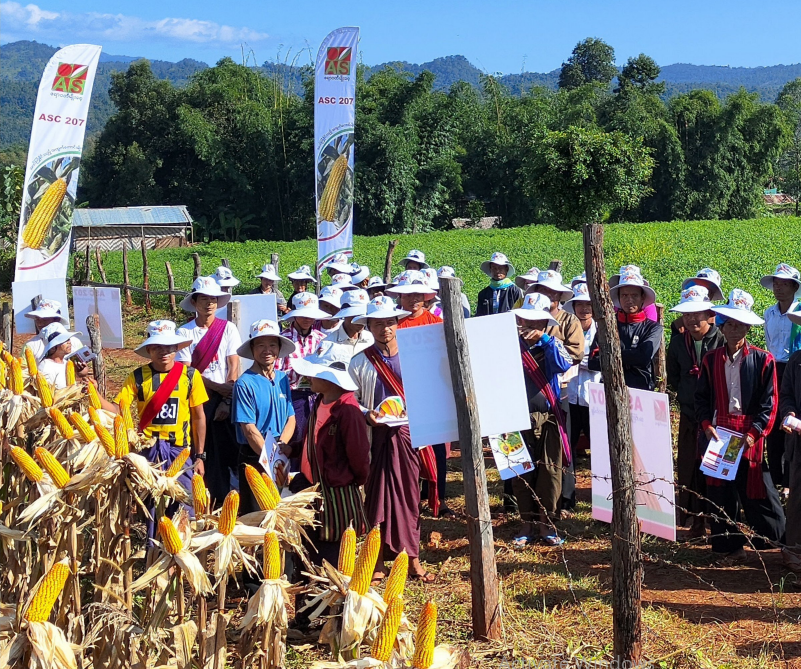
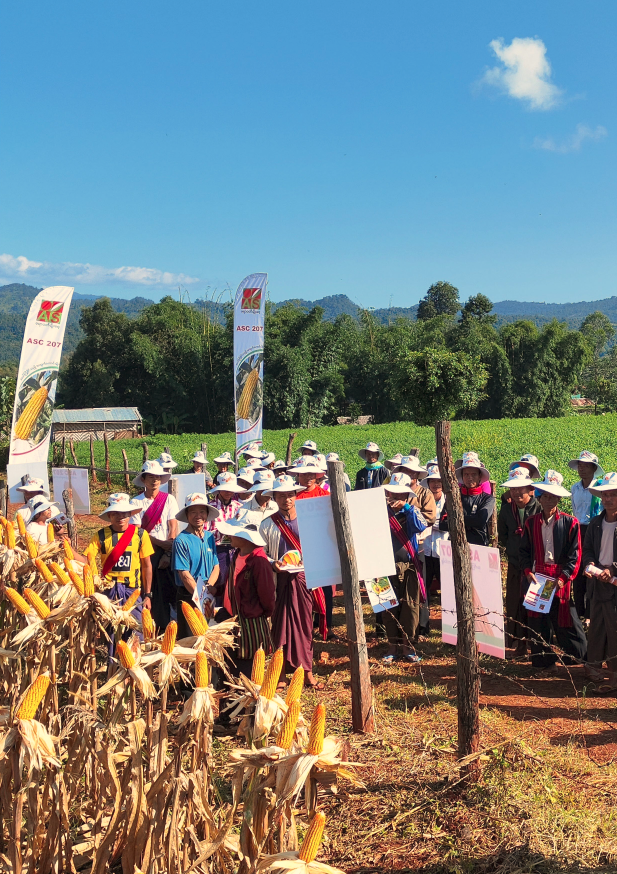
Myanmar farmers are very exposed to the consequences of climate change. At Myanma Awba Group, we work hard to provide them with the products and solutions that enable them to embrace responsible farming, minimise environmental impacts, enhance their crops’ yields, and foster resilience and better livelihoods.

Delivering high-quality products

All our products and solutions must comply with the requirements from various regulatory bodies. For instance, for our agrochemical products, we must ensure that they meet the FDA’s requirements.

Better Agricultural Practices

Mobilising financial capital to enable better solutions in Myanmar

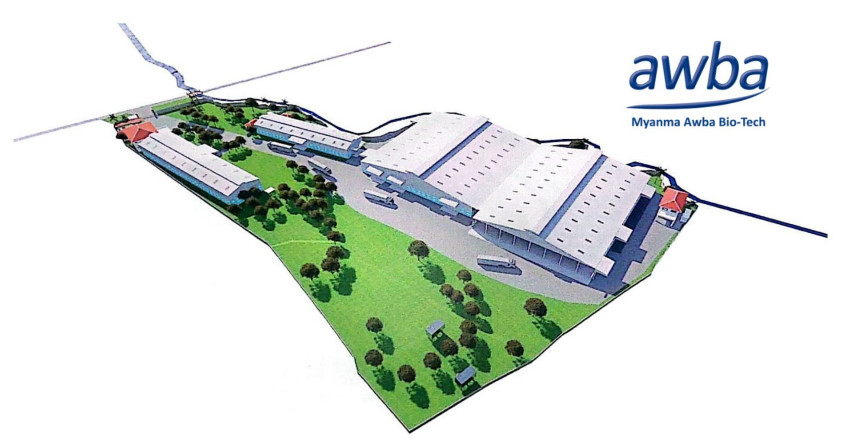
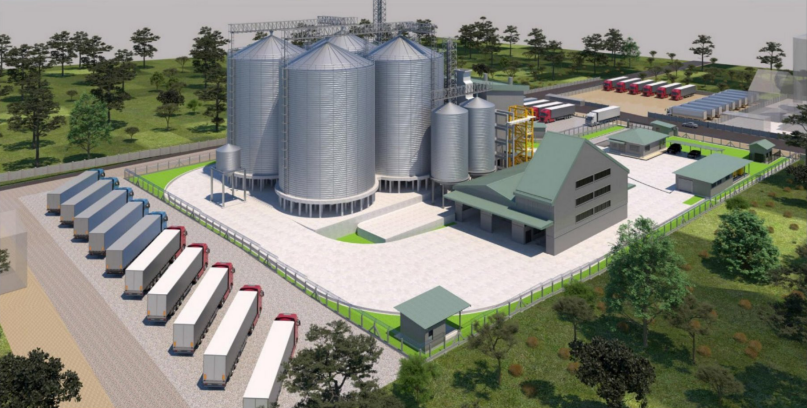
In 2024, we invested in two projects: a bio-fertiliser manufacturing site in Yangon region and a corn drying facility in Shan State. These two projects have multiple benefits: economic, social and environmental, as outlined below.

Better Workplace

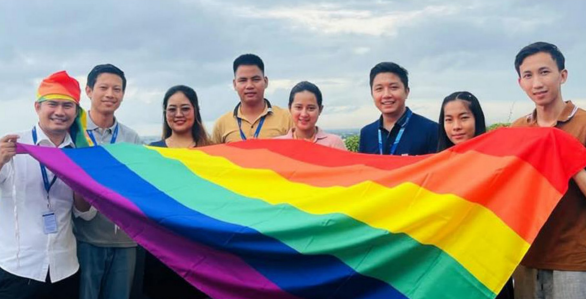
Our 2,720+ staff interact with our distributors and provide farmers with insights and expertise every day. They enable us to deliver on our purpose: therefore, for them, we are striving to build a safe, inclusive, and respectful workplace where they can express their potential and be compensated fairly.

Being a good employer

Our workforce is diverse, reflecting Myanmar’s diversity and our Code of Conduct frames our commitment to being an inclusive workplace. We are doing our best to offer equal opportunities to women and men. Furthermore, Myanma Awba Group has a Working Coordinating Committee in place, which will meet on a monthly basis. This WCC covers all the Group’s various entities, and staff are encouraged to engage with their representatives to raise any issues. Furthermore, we conducted between July and September 2024 a survey of our ou employees to better understand their expectations and how to reframe our HR approach in 2025.

Myanma Awba Group is a member of the Myanmar Business Coalition for Gender Equality.

We also employed 3,625 temporary workers at the end of FY 23/24: our Group contributes directly to the livelihood of 6,350 people.

Better Business Practices

We rely on natural and social ecosystems to prosper in our operations. We aim to minimise our environmental impacts to safeguard our environment and maximize our socioeconomic footprint to benefit Myanmar businesses and people, while conducting our business transparently and responsibly.

Supporting the local economy

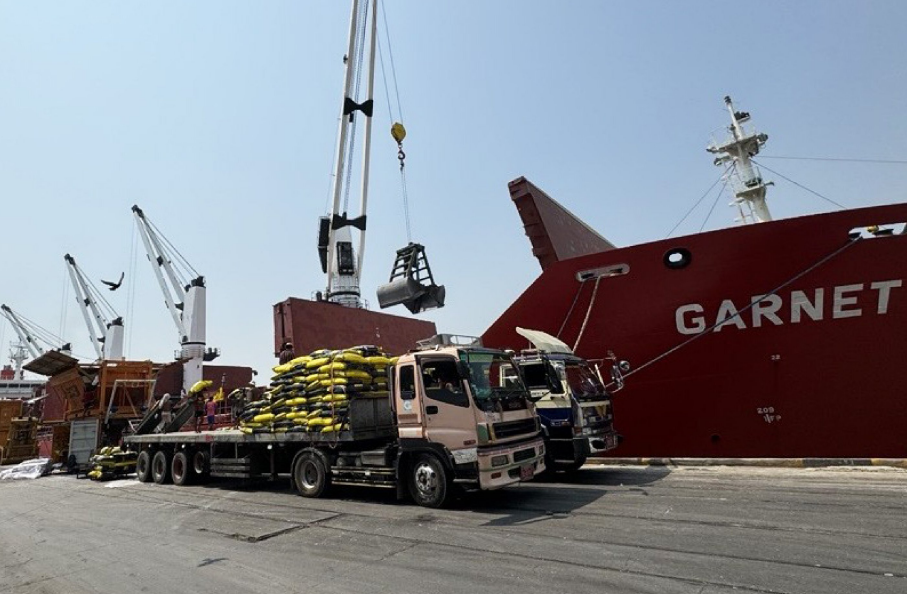
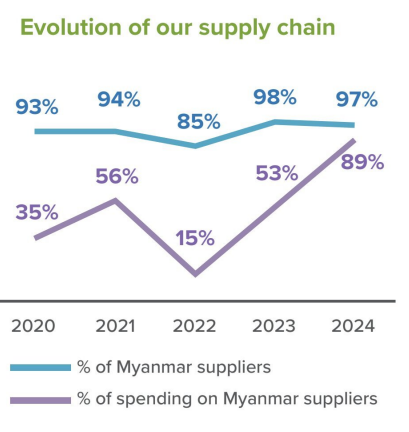
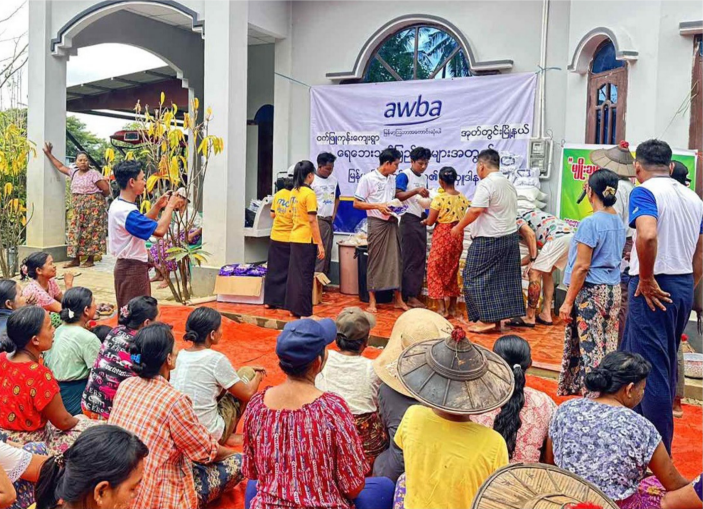
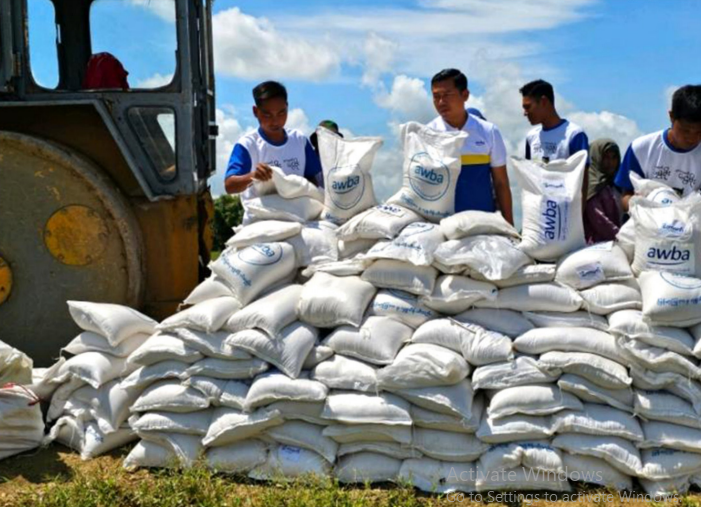
We rely on a network of over 4,600 distributors to deliver our products to farmers, making them essential partners in our operations. In response to ongoing conflicts, have communicated closely with our distributors, adjusting payment terms for those facing difficulties. We always prioritise the safety of the people involved in the delivery of our products across our value chain.

Better All Together

Engaging proactively with our stakeholders

The trust and confidence of our stakeholders is one of the most critical assets for Myanma Awba Group. We engage regularly with our most important stakeholders and ensure that our approach is consistent and aligned with our policy. We to are aware that the CAO continues to monitor a grievance they received related IFC’s financial transaction with our Group. We tried to engage with the relevant stakeholders from 2020 onwards. However, the COVID-19 pandemic and then the political crisis have hindered our ability to engage with some of the key people involved. Our Environmental and Social Management Plan is available on our website.


Today, we continue to ensure that people around our industrial sites are not impacted adversely by our operations, and our Sustainability team regularly monitors grievances received from local communities.

Esg Reporting

Standards

We consider four main standards in shaping and structuring our non-financial reporting:

If you are passionate about agriculture and believe in its significance in changing lives, join us.

Explore a career with us