Sustainability Report 2025

ABOUT THIS REPORT

This sustainability report is the third report published by Myanma Awba Group.The report reflects our commitment to our stakeholders as we aim to actresponsibly and transparently.

This report covers all of Myanma Awba Group’s businesses and entities. Itincludes the non-financial performance of our Group through quantitative dataand qualitative information describing our actions, progress and results. All thequantitative data covers April 2024 to March 2025 (FY24/25) and April 2025to September 2025 (H1 FY25/26) unless stated otherwise. The qualitativeinformation covers the period from April 2024 to December 2025. The datadisclosed has not been audited by a third party.

Our non-financial reporting is aligned with the Global Reporting Initiative (GRI)Standards.

This report was reviewed and validated by the Myanma Awba Groupmanagement on23 June 2026.

By convention, in this report:

  • “We”, “Myanma Awba Group” and “MAG” are equivalent.
  • 2024 refers to FY23/24.
  • 2025 refers to FY24/25.
  • 2026 H1 refers to the first semester of FY25/26, spanning April and September 2025.
About Myanma Awba Group

Myanma Awba Group (MAG) was established in 1995 with the mission of promotingbetter farming practices in Myanmar. As a country heavily dependent on agriculture,strengthening this sector is vital to supporting communities’ livelihoods nationwide.We are committed to delivering sustainable, high-quality solutions and services toMyanmar’s farmers, while creating opportunities that enhance and empower ruralfarming communities. To achieve this, we continuously assess the evolving needs offarmers and provide a comprehensive range of solutions tailored to support both ourfarmers/customers and the wider community.

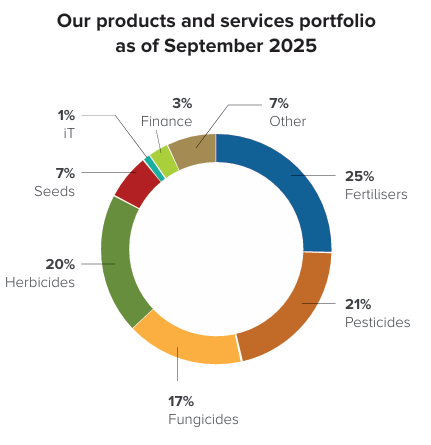
We supply farmers with acomprehensive range ofessential agricultural inputs, suchas insecticides, fungicides,herbicides, foliar fertilisers,and plant growth regulators.Additionally, we offer high-quality seeds to enhance cropperformance and boost yields.

We develop our products toaddress the specific needsof farmers, tailoring them fordifferent crops and regions,and manufacture a broadrange locally to ensure theyremain affordable. In addition,we invest in advancing bio-agricultural solutions, includingbio-fertilisers.

We provide financial andtechnological services tosupport our farmers. We arecommitted to ensuring theyare not left behind in accessingfinance or adopting improvedtechnologies. To achieve this,we have developed new andinnovative solutions throughour subsidiaries

Corporate Governance

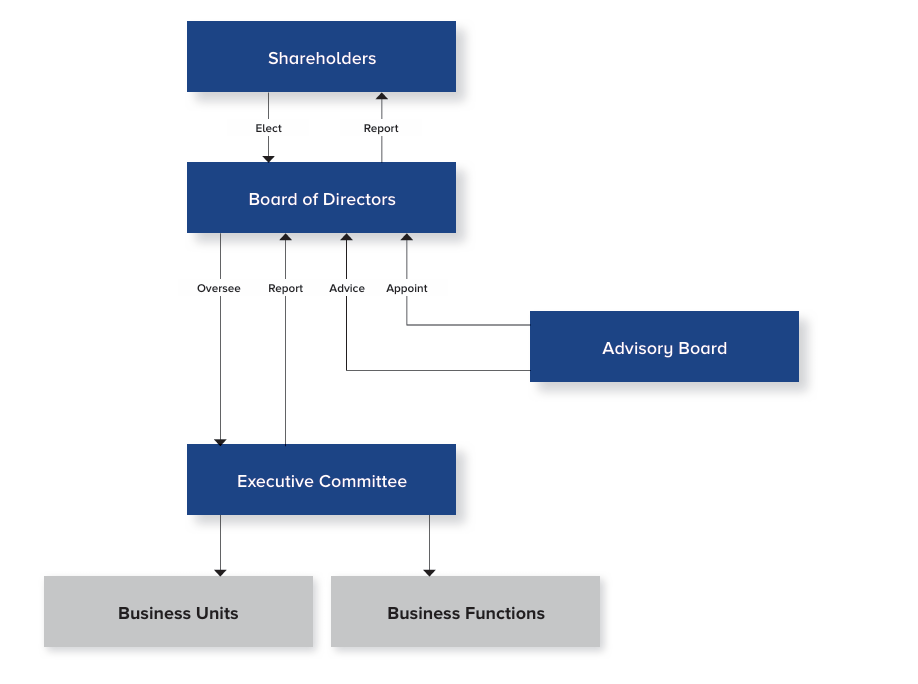
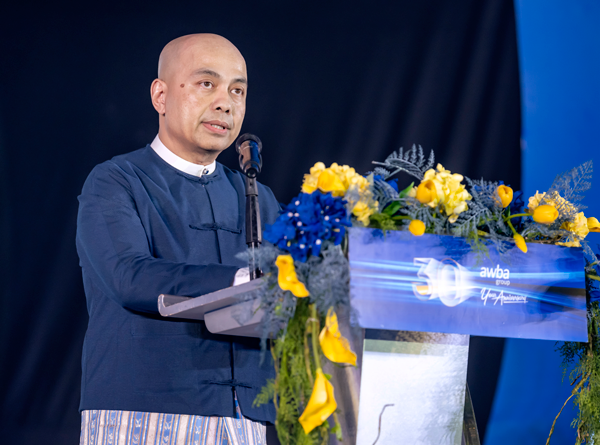
At MAG, our governance structure plays a central role in establishing the framework that guides day-to-day operations. In today’s evolving market environment, it is especially important to enable timely and well-informed decisions across our various functions. As we celebrated our 30th anniversary in 2025, we began planning the succession of our MAG’s founder, chair and Group CEO. As a result, the Board of Directors welcomed U Aung Si as a new Director of the Board. In parallel, leaders of the various business units were invited to report more regularly and systematically to MAG’s Board of Directors. This move aimed to empower them, reduce reliance on the Group CEO, and reinforce the independence and capacities of the various business units without sacrificing the leverage on synergies between our Group entities.

Our Sustainability Strategy

At MAG, we established our sustainability strategy in 2021 through engagement with multiple stakeholders to identify what matters to both our internal and external stakeholders. In 2025, we established a sustainability committee, chaired by MAG’s chair and Group CEO and involving members of our business unit management teams, to enhance how we embed sustainability in our operations. In 2025, the committee decided to assess the relevance of our strategy, and we organised a series of workshops to do so. These review workshops confirmed that our strategy, built around four main pillars and nine priorities, remains aligned with our business activities. However, we have refined the definition of each priority and updated our focus areas to better support our sustainable growth objectives. This was also an opportunity for us to discuss and set short-term and long-term goals.

Better Agricultural Practices

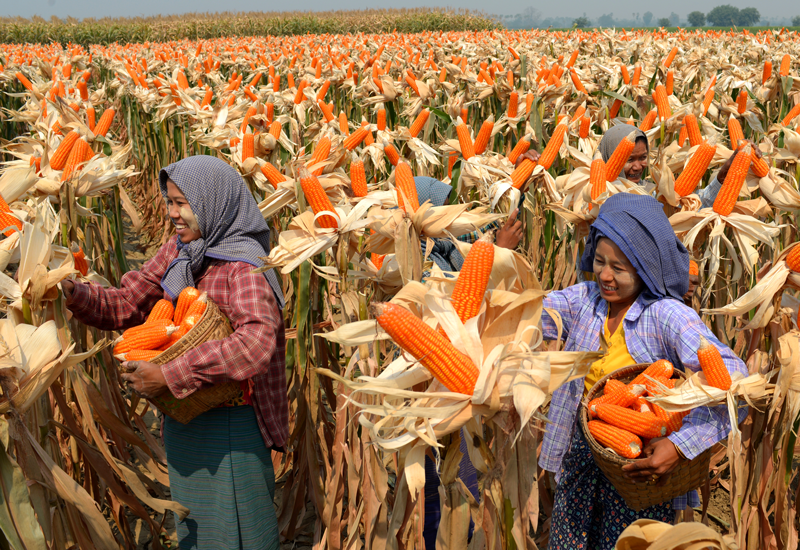
Supporting Myanmar farmers in improving their livelihoods amid current economic conditions is crucial. At MAG, we are committed to helping them navigate a turbulent, difficult environment by providing the services and products they need, while ensuring their accessibility and efficiency and a minimal environmental footprint. This is how we want to foster and enable a transition to better agricultural practices. In doing so, we aim, along the way, to become the most trusted partner for farmers in Myanmar.

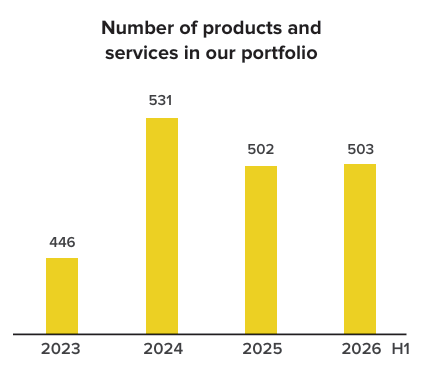
As of September 2025, our portfolio consists of 503 products and solutions. Over the past 18 months, we discontinued 40 products and introduced 66 new ones, guided by evolving customer needs.

Enhancing our product portfolio to better meet our customers’ needs

Over the past 18 months, we have faced significant challenges, including a decline in farmers’ purchasing power and a reduction in available agricultural land due to ongoing conflicts. According to the International Food Policy Research Institute (IFPRI), sales of agricultural products during the 2025 monsoon season dropped notably compared to 2024: fertiliser sales declined by 18%, agrochemical products by 9%, and seeds by 8% on average, largely due to financial constraints and instability. At MAG, we observed a similar pattern, with product sales declining by 10% overall, primarily due to reduced purchasing power among farmers. Number of products and services in our portfolio 531 446 502 503 2023 At the same time, government regulations have restricted the sale and distribution of certain products in specific regions due to concerns over chemical residues. While the impact of these restrictions on MAG has been limited, this highlights the importance of managing the impacts of our products throughout their lifecycle. Ensuring consumer health and safeguarding food safety remain critical priorities for us. As part of this commitment, we aim to raise awareness about the responsible use of our products (see page 26 for more details).

Better Workplace

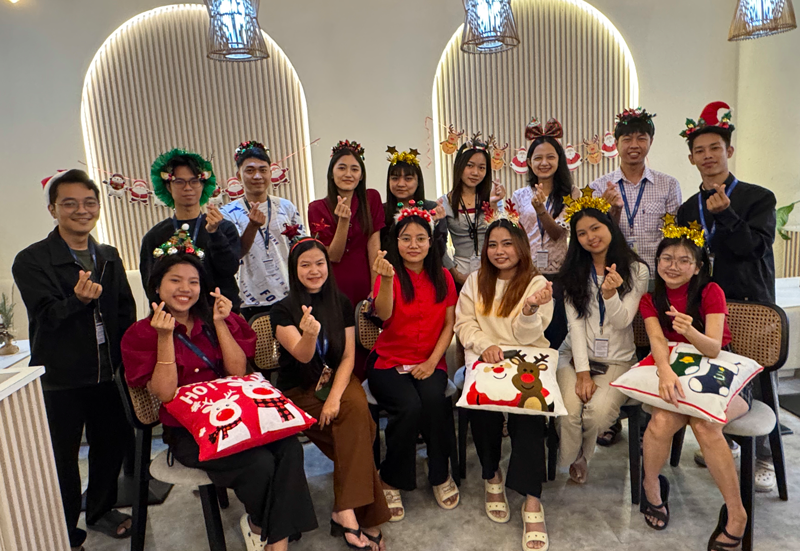
At MAG, we are building a workplace where all our colleagues should be empowered and feel supported, especially when they are dealing with the consequences of conflicts or natural disasters. It is essential for us to serve Myanmar farmers well; our employees should be well cared for. This is an essential building block because their expertise and skills are essential to building trust and delivering our services to farmers. Therefore, we are committed to providing a fair and inclusive workplace where all employees can work safely, develop their abilities, express their potential, and receive equitable compensation

Partner Testimonial

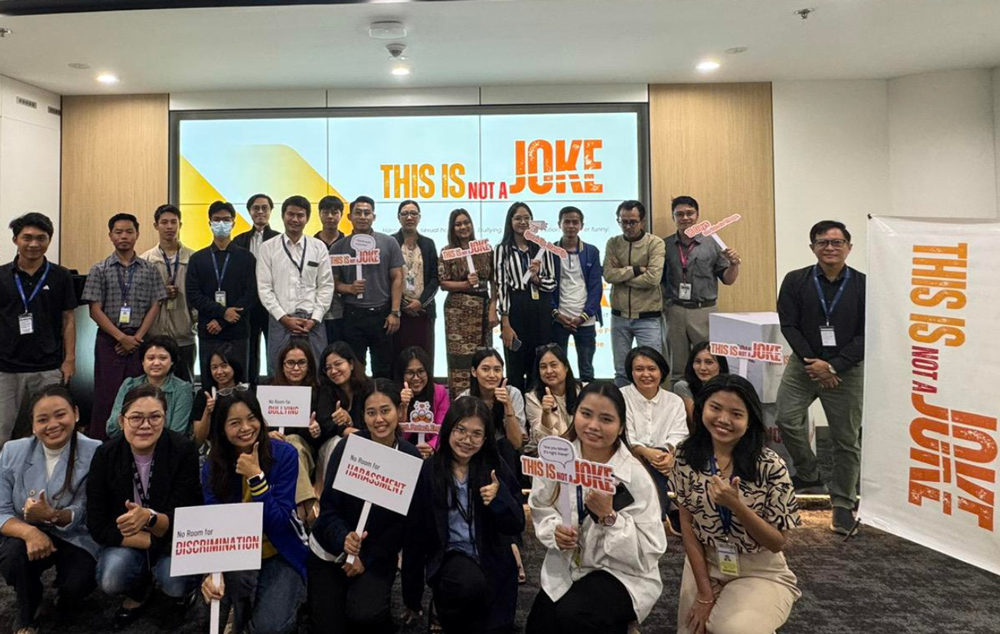
We at BCGE have seen a positive trend in gender equality within the private sector, and we are proud to have had MAG as an active member since May 2023. MAG stands out for its significant commitment to diversity, equity, and inclusion. What we appreciate most is that their inclusive efforts go beyond their internal workforce and actively engage external stake holders. We were also very grateful when MAG sponsored our recent “This is Not a Joke” campaign. We truly wish we had more dedicated members like MAG who are doing their best to foster new corporate behaviours that see gender equality as a business imperative.

Better Business Practices

At MAG, we believe that sustainable and responsible business practices are more important than ever, especially now, as Myanmar continues to face the impacts of natural disasters and remains highly vulnerable to climate change. That’s why we are committed not only to reducing our own operational footprint but also to raising awareness and driving action across our entire supply chain.

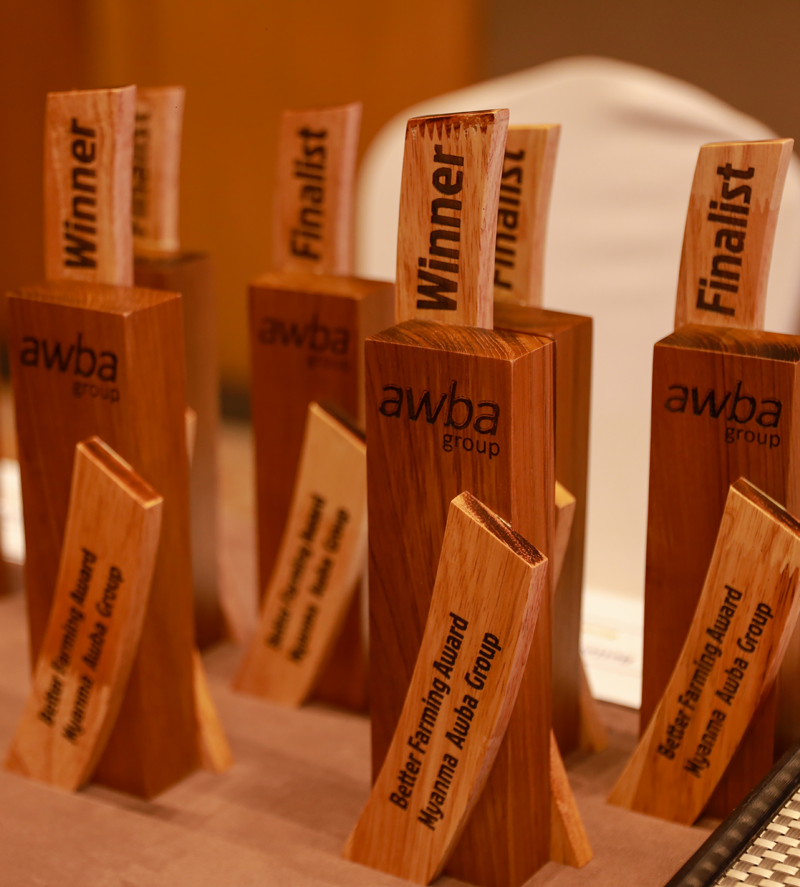
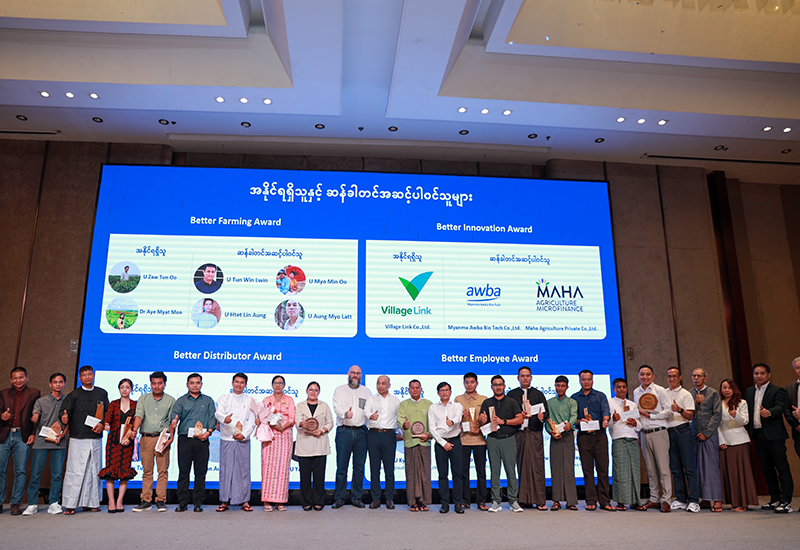
We launched the Better MAG Award programme to celebrate the contributions of individuals and organisations across our operations who are driving sustainable development, responsible business practices. The programme features four award categories:

Initiatives to promote sustainable business practices

We launched our programme online, on our social media channels. We received almost 100 applications, which were screened by an independent committee, and our sustainability team engaged with all applicants to gather the information needed to assess their practices. During the process, various teams across our organisation worked closely together to engage with farmers and distributors. We selected 16 finalists and, based on our final evaluation, chose the winners: 2 for the Farming Award, 1 for the Distributor Award, 1 for the Innovation Award, and 1 for the Employee Award. We are grateful for the participation of the candidates, and we look forward to the next edition of our awards!

Limiting our environmental footprint

To date, we have implemented several solar initiatives and are utilising waste-to-energy solutions at our production sites:

Better All Together

As a responsible corporate citizen, we strive to ensure that our operations do not negatively impact the communities in which we operate. We actively monitor stakeholder feedback and address concerns in a timely manner.

Engaging with our stakeholders

The trust and confidence of our stakeholders are among our most critical assets. We regularly engage with our most important stakeholders and ensure our approach is consistent and aligned with our policy.

Our support during Typhoon Yagi

In September 2024, Typhoon Yagi struck Myanmar, triggering widespread flooding across 192 townships nationwide. According to the World Bank,7 around 2 million people were left homeless, while 1.4 million faced food insecurity. In addition, more than 480,000 hectares of cropland were inundated, representing approximately 3.5% of the country’s total agricultural land, and about 54% of farmers were affected, suffering losses of crops, livestock, equipment, and other essential resources.

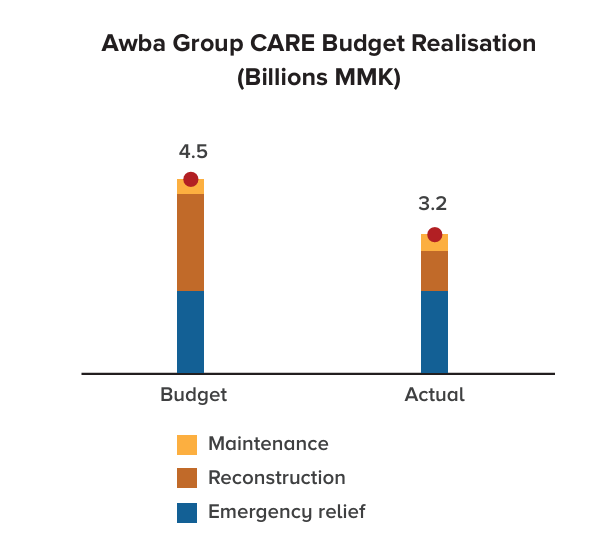
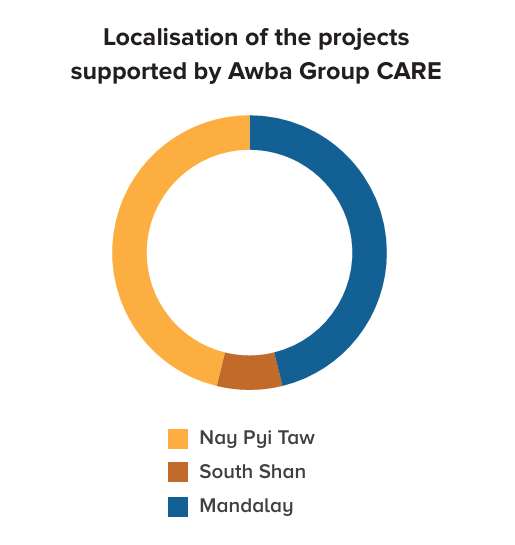
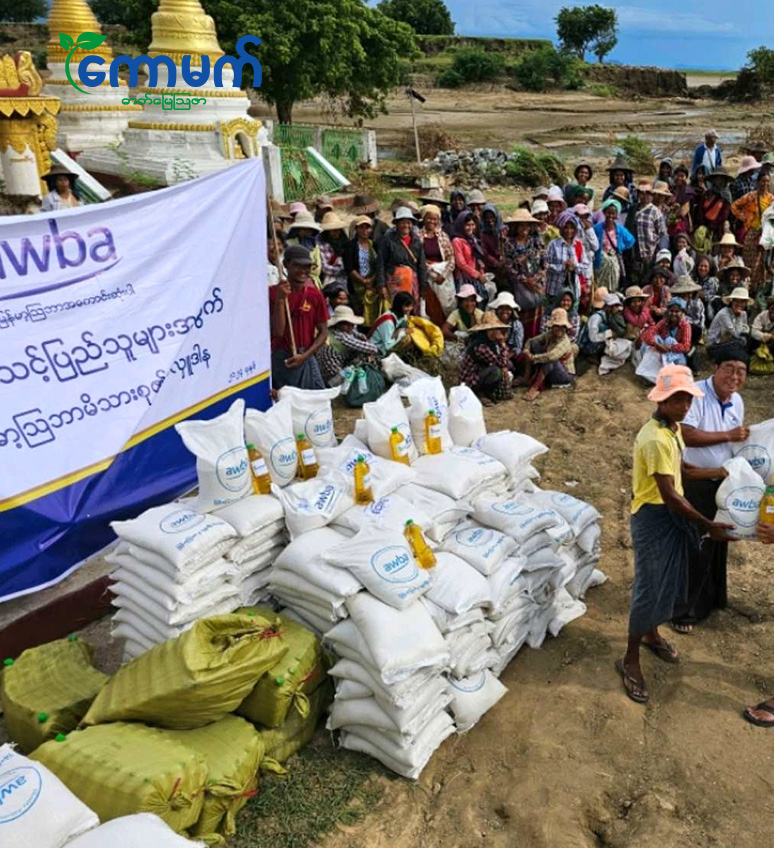
As the disaster directly impacted our customers, we acted swiftly to support those affected by the flooding. Our regional managers visited the impacted areas to assess community needs. Given the sudden nature of the event, urgent assistance was required, particularly for essential items such as rice and drinking water. In response, we coordinated efforts and provided basic necessities to affected communities. We distributed rice, cooking oil, and drinking water to 32,516 families across 150 villages, totalling 1.7 billion MMK in support. Additionally, our subsidiary company, Maha, contributed 352 million MMK to assist 11,747 of its customers.

ESG Reporting

Standards

We consider four main standards in shaping and structuring our non-financial reporting:

If you are passionate about agriculture and believe in its significance in changing lives, join us.

Explore a career with us